


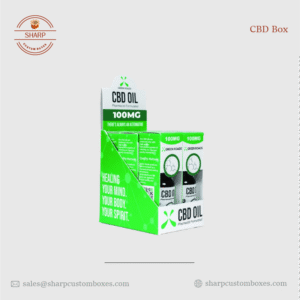

The selection of the right counter display box is one of the most overlooked parts of retail merchandising, yet it has an impact on the performance of the product at the point of sale. A poorly selected display can put great products out of sight, and the right one can turn a quiet countertop into a consistent source of impulse purchases. This guide identifies the factors retailers and brands should consider before choosing a counter display box, using a format of questions to help the decision-making process.
Why Does the Right Counter Display Box Matter?
The box that your retail counter display is placed in can be the final glimpse that a customer may have before making a purchase. Often when the customer is ready to make a purchase, they are more influenced by visibility and appearance than by research, so the box becomes part of the sales pitch. A well-matched display draws attention, conveys quality, and makes it easy to choose something on the spot. A bad display can make even a good product look cheap, crowded, or hard to get to, which can cost you sales that otherwise would have been made.
What Should You Consider About Your Product Before Choosing a Box?
For any sort of display, it helps to know the product itself. The weight and size of the product help determine how strong the cardboard should be, because a box made for lightweight lip balms will not stand up to the weight of a glass bottle or canned food. Also, delicate items might need dividers or compartments to prevent them from slipping when handled. Think about how many units the display needs to hold at one time, as overfilling a small box or leaving a large box half empty diminishes the visual appeal that makes counter displays effective in the first place.
How Does the Retail Environment Affect Your Choice?
The environment a display sits in should be as much a factor as the product it displays. Depending on the traffic stream, a busy supermarket checkout counter needs a heavier board with greater durability to take the knocks of daily shopping. Boutique or specialty shops, on the other hand, often have limited counter space and focus on a show’s design, which could require a smaller, more elegant display with premium printing. The retail store should also consider the length of time the display should be on display. A short seasonal promotion will have different requirements than a permanent fixture.
What Role Does Material Play in Choosing a Counter Display Box?
The material is as important to consider as strength, sustainability and looks. Corrugated cardboard is usually the strongest and is the most durable when displaying heavier or bulkier products. Kraft cardboard is a more natural and eco-friendly option for companies looking to promote sustainability while still providing enough strength to support lighter products. A more polished, premium look may be provided by solid bleached sulfate board, which features a smooth surface that holds up well to colors and coatings. This product is often utilized in the case of cosmetics and high-end products such as Custom Serum Boxes
How Important Is Branding and Design in the Selection Process?
This is a marketing surface that needs to be considered as it would any other printed material. The placement of a logo, the uniformity of color, and the quality of printing all affect the trustworthiness of a product. Cut-out windows or bins, even in a crowded checkout, can make a display stand out. Consistency is important here, too, as a box that clashes with an existing display or store logo can leave a bad impression, even if the box itself is well made.
In Choosing a Display Box, Should You Prioritise Cost or Quality?
Cost is always a consideration, but often it isn’t the best. A cheap display that collapses under the weight of a product or fades after a few weeks on the counter will cost more in reprints and replacement than one slightly more expensive, better-built display. Instead, consider value instead of price, weighing durability, print quality, and expected lifespan against the upfront cost. For high-turnover stores, spending a bit more on stronger material or better printing often pays off through higher sales and fewer replacements.
How Do You Balance Sustainability with Practical Needs?
Sustainability has become a real factor in packaging decisions, not a marketing buzzword. With recyclable kraft board and FSC-certified corrugated material, brands can meet eco-conscious needs without compromising their structural strength. But, sustainability should always be balanced against practicality, as a display that is too flimsy to hold products will not work, no matter how eco-friendly the materials used. Find a supplier that can supply sustainable materials while still delivering high quality prints.
What Steps Should You Take Before Placing an Order?
Ask for samples or mockups first so you can see the display in real life. Trying the box with the product at the actual counter reveals issues such as fit, visibility, and stability that may not show up on paper. Check the minimum order quantities, turnaround times, and design services provided by the supplier as these can affect how quickly the display can be changed or reordered. Working with an experienced packaging company like Sharp Custom Boxes is one way to make this process easier, as experienced suppliers are better able to advise on material and design depending on the products and retail environment.
Final Thoughts
The balance of size and fragility of the product, the retail environment it will fit in, strength of the material and sustainability, and brand branding should all come into play when choosing a counter display box. None of these criteria should be judged individually as a display that looks great but cannot hold the product, or one that’s sturdy but not very well branded will still fall short at the point of sale. By checking your options before placing an order, you can ensure that your display not only protects your product, but also drives sales at one of the most crucial moments in the customer journey. Read more: custom display boxes wholesale in uk